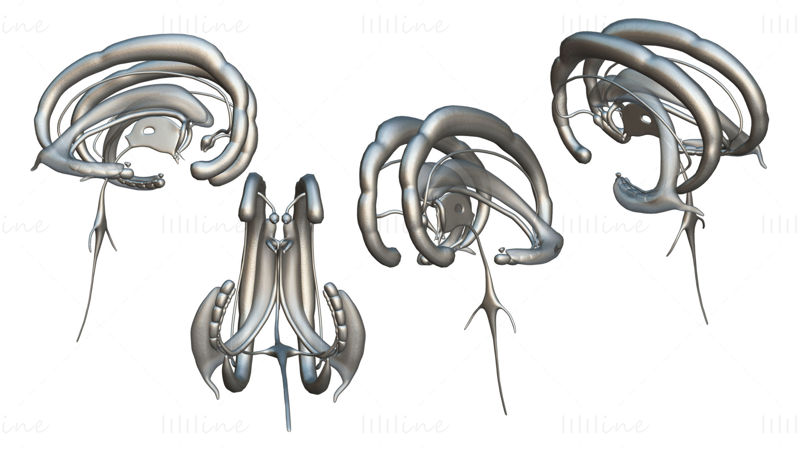
Understanding the Power of Essential Oils on the Limbic System Biology Diagrams Navigating the complex tapestry of human emotions, the limbic system emerges as the brain's powerful conductor, orchestrating the symphony of our feelings and memories. The limbic system also has strong connections to the autonomic nervous system, which controls many of our body's involuntary functions. This is why emotions often come

The limbic system unites multiple structures and functions across these lobes to rapidly process new information and initiate appropriate responses throughout the body. Structures, Connections, and Functions of the Limbic System "The Human Nervous System." Academic Press. 18. 469-472; Swenson, Rand. (2006). "Chapter 9. Limbic System."
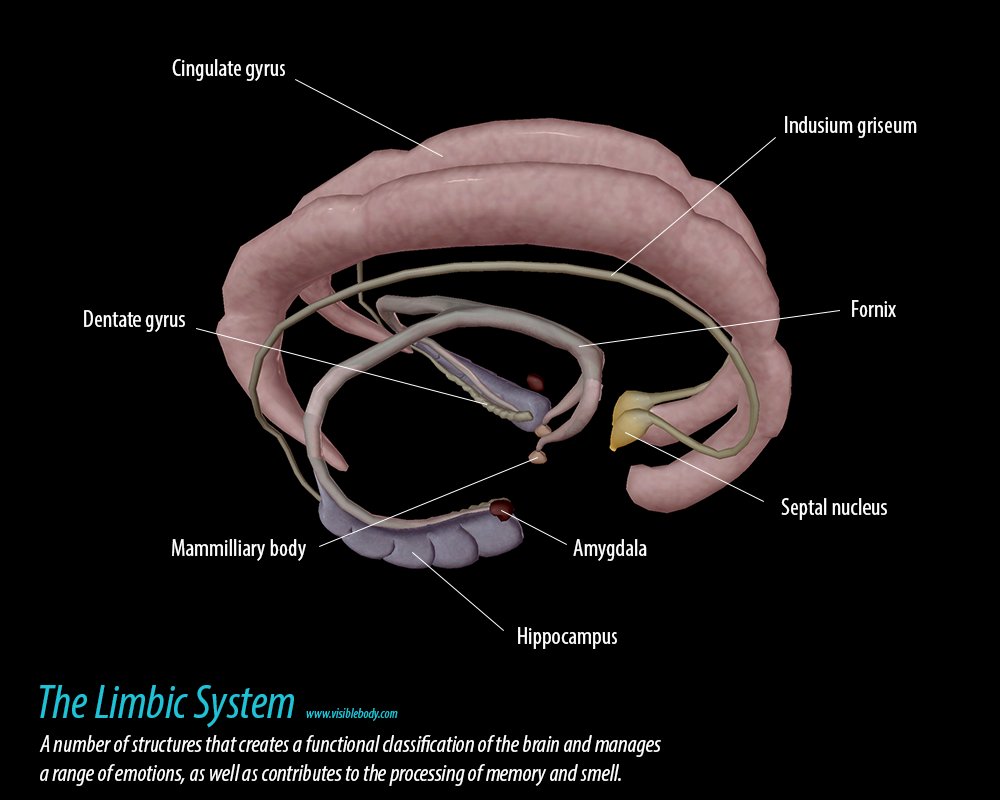
Simply Psychology Biology Diagrams
The limbic system, often referred to as the limbic brain, is a complex set of structures that form a ring-like configuration around the brainstem. regulating everything from body temperature and hunger to sleep cycles and hormone production. and brain function, we're uncovering new layers of complexity in the human experience. The
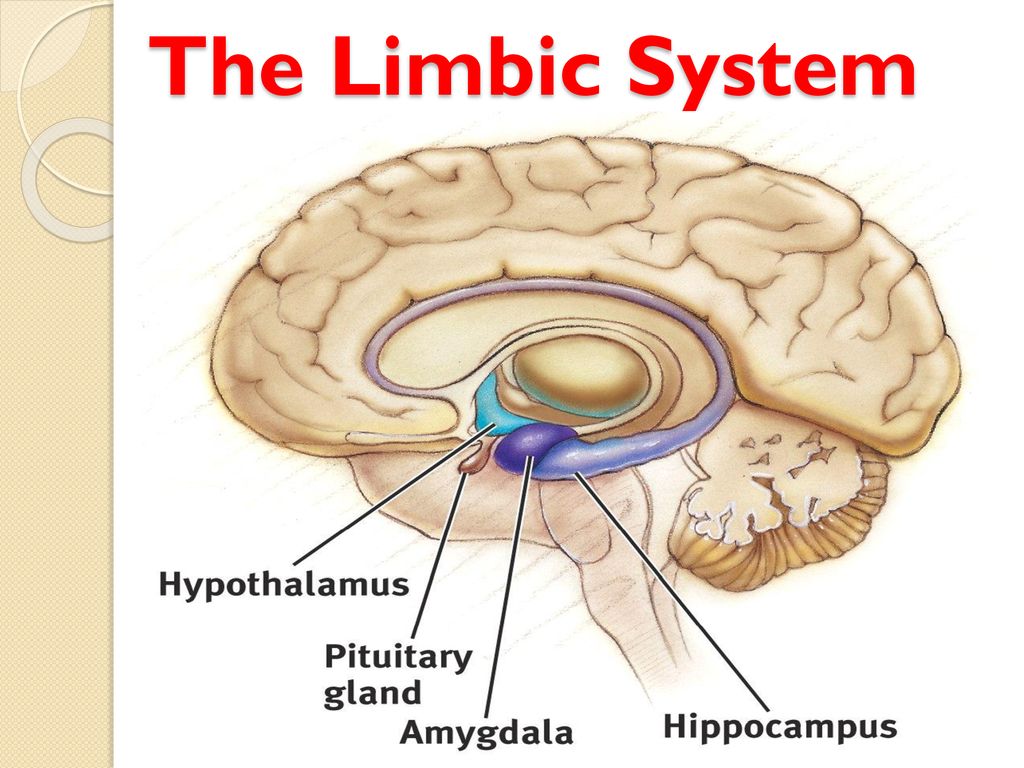
The limbic system is in what is known as the temporal lobe, which sits on each side of the brain, near the temples and above the ears. Functions of the limbic system The limbic system helps regulate : The human brain is a vast and intricate network, and one of the most crucial areas within it is the limbic system. Often referred to as the "emotional brain," For example, when the body is in a heightened state of arousal due to stress or excitement, the thalamus helps coordinate this response by filtering sensory information and directing The limbic system is considered to be the epicentre of emotional and behavioral expression. A quick way to remember the functions of the limbic system is to think about five "F's": (amygdaloid body) is located anterosuperior to the temporal Murray Llewellyn Barr, and Nagalingam Rajakumar: Barr's The Human Nervous System. 10th ed

Encyclopedia Britannica Biology Diagrams
The limbic system is a complex set of brain structures involved in emotion, motivation, memory, and behavior regulation. Key components include the amygdala, hippocampus, thalamus, hypothalamus, basal ganglia, and cingulate gyrus. It's central to emotional processing, memory formation, and various autonomic functions, bridging higher cognitive processes and primal emotions.