Facial Asymmetry and TMJ Pain Free Dentist Sydney Biology Diagrams The temporomandibular joint (TMJ) is a diarthrosis, better defined as a ginglymoarthrodial joint. TMJ is composed of a synovial cavity, articular cartilage and a capsule that covers the same joint. We find the synovial fluid and several ligaments. The joint is the union of the temporal bone cavity with the mandibular condyle. Anatomy

The mandible is the largest bone in the human skull, forming the lower jawline and shaping the contour of the inferior third of the face (see Image. Mandible Anatomy).[1] Articulation with the skull base at the bilateral temporomandibular joints allows a range of movements facilitated by associated muscles, including dental occlusion with the maxilla (see Image. Jaw Anatomy, Lateral View). The The TMJ is a unique joint involved in a number of important functions, including mastication and speech, 1 but more simply, it allows the articulation between the upper and lower jaws. 2 This

Temporomandibular joint (TMJ): Anatomy and function Biology Diagrams
The temporomandibular joint (TMJ) is an atypical synovial joint located between the condylar process of the mandible and the mandibular fossa and articular eminence of the temporal bone. It is divided into a superior discotemporal space and inferior discomandibular space by the TMJ disc (or meniscus).
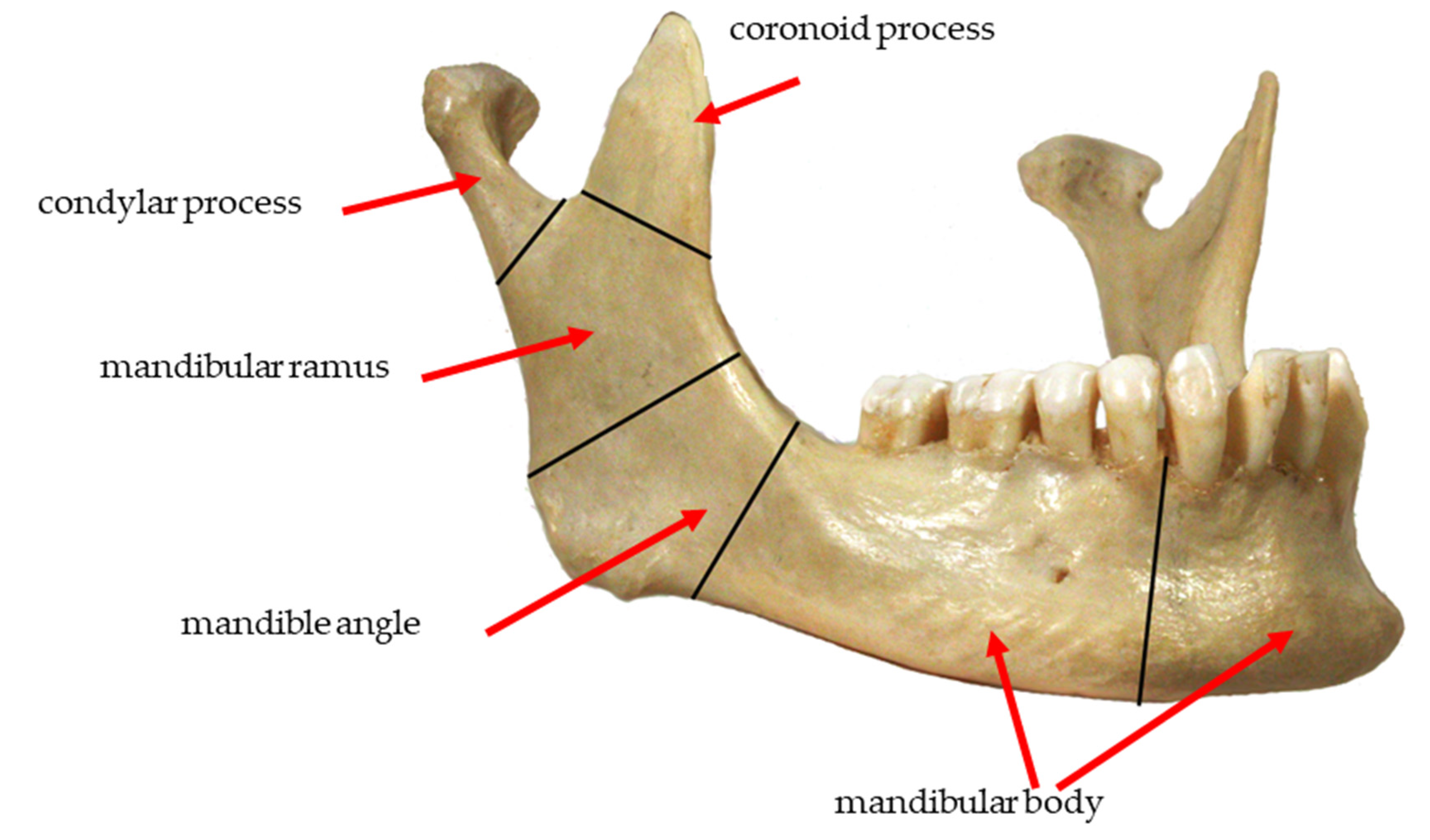
In anatomy, the temporomandibular joints (TMJ) are the two joints connecting the jawbone to the skull. The lower joint compartment formed by the mandible and the articular disc is involved in rotational movement—this is the initial movement of the jaw when the mouth opens. The upper joint compartment formed by the articular disc and the
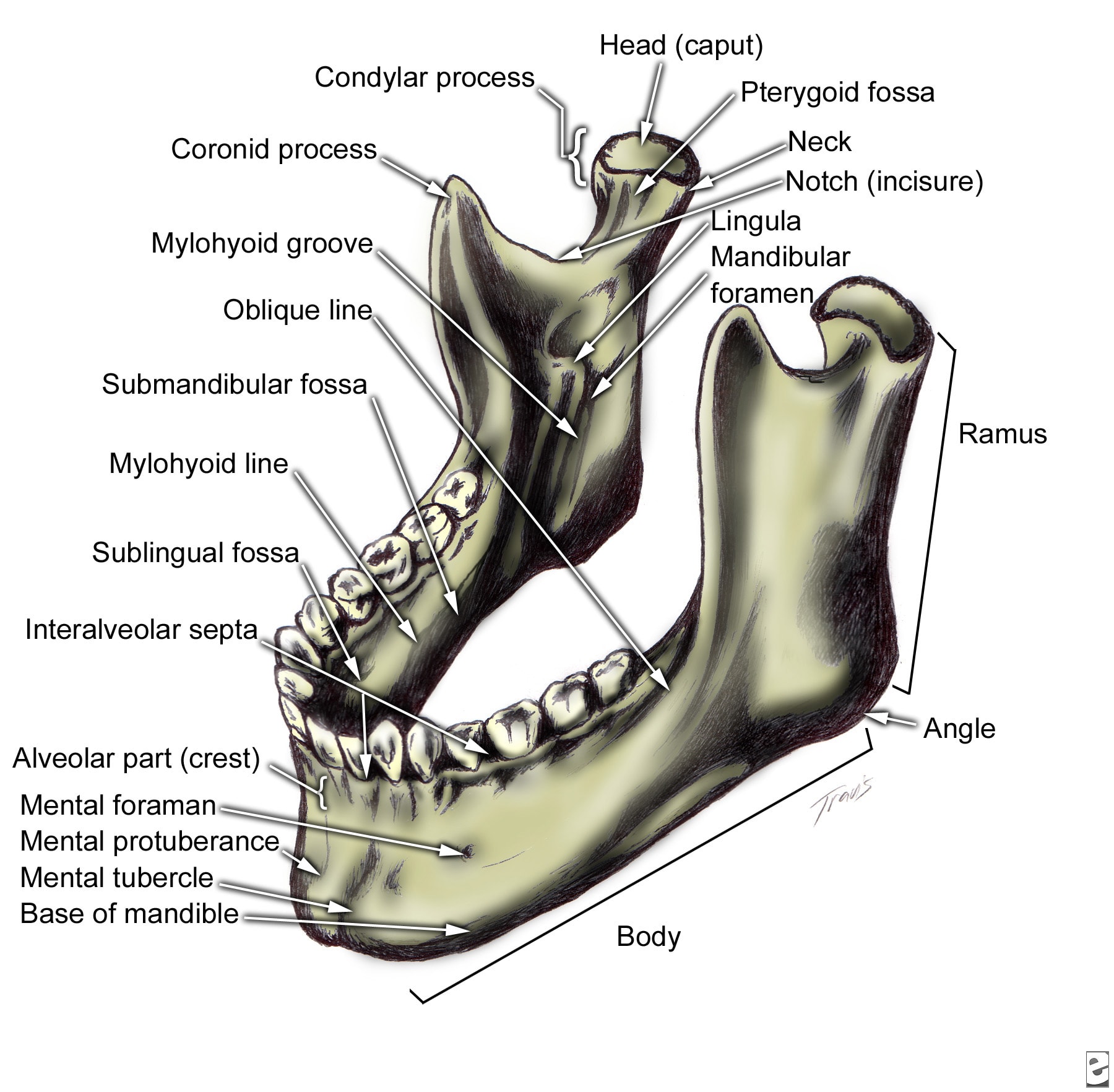
Anatomy, Head and Neck, Temporomandibular Joint Biology Diagrams
A synovial joint that enables the intricate movements required for life is the temporomandibular joint (TMJ), also known as the jaw joint. This joint is between the temporal bone's mandibular fossa and the mandibular condylar head. This system, which includes the TMJ, teeth, and soft tissue, is involved in speech, eating, and breathing.
